Third Spaces + Home Design: Creating Spaces for Women

This blog post contains affiliate links. For more information please visit our disclaimer page.
There's a coffee shop near me that gets it right every time. Natural lighting, soft seating, and large tables that feels like it's been there for decades. You sit down and something in you exhales.
That is the concept of a third space.

The first space is home. The second is work. The third is somewhere in between- somewhere that belongs to you without the pressure of either. A café. A library. A friend's living room that always seems to have the right chair in the right spot.
What's interesting is that third spaces don't happen by accident. They're designed- intentionally or not- around the way people actually move, rest, and gather. And once you understand what makes them work, you can bring that same feeling home.
What Is a Third Space, Exactly?
Sociologist Ray Oldenburg coined the term in the 1980s to describe the informal gathering places that hold communities together. Not home, not work something else. Somewhere you go to just be, without a role to perform.
For women and mothers especially, true third spaces can be rare. So much of daily life is structured around responsibility: the home to manage, the job to show up for, the people who need things. A genuine third space- one that feels like it belongs to you- is harder to come by than it sounds.
Which is why the design of those spaces matters. And why the principles behind them are worth borrowing for your own home.
Why Women and Mothers Need Designed Space
There's a version of home design that prioritizes everyone's needs except the person running the household. The play area, the home office, the mudroom that works for coats and backpacks- all useful, all necessary. But where's the corner that's just yours?
Good placemaking design asks that question. It considers who actually inhabits a space, what they need from it, and what would make them want to stay.
For women and mothers, that often means:
Comfort that's functional, not performative. A sofa that's actually comfortable to sit on for an hour, not just one that looks good in a photo. Lighting that adjusts- bright enough for tasks, soft enough to unwind. Surfaces that can hold a coffee cup without requiring a coaster ritual.
Spaces that invite rest. A reading chair near a window. A side table at the right height. A room that doesn't immediately signal "there's more to do." Third spaces work because they give you permission to stop. You can design that into your home.
Room for more than one thing to happen. A kitchen table that's also a workspace, a homework station, and a place for a glass of wine at the end of the week. Flexible spaces- ones that adapt to the moment rather than demanding you adapt to them- are the backbone of good placemaking.

Designing Your Own Third Space at Home
You don't need a whole room. You need a corner, a chair, a window. Something that signals: this is mine.
Start with seating. The anchor of any third space is somewhere to actually sit. Not a formal dining chair- something you'd choose to be in. A worn leather armchair. A curved sofa in a neutral that feels warm. A window seat with enough depth to actually curl up in. The secondhand market is full of pieces that have the kind of character that new furniture takes years to develop.
Layer the light. Overhead lighting is functional. It's not the thing that makes a space feel like a refuge. Add a table lamp, a floor lamp, something with a warm bulb at a lower level. Third spaces are almost always lit from the side, not above. That's not an accident.
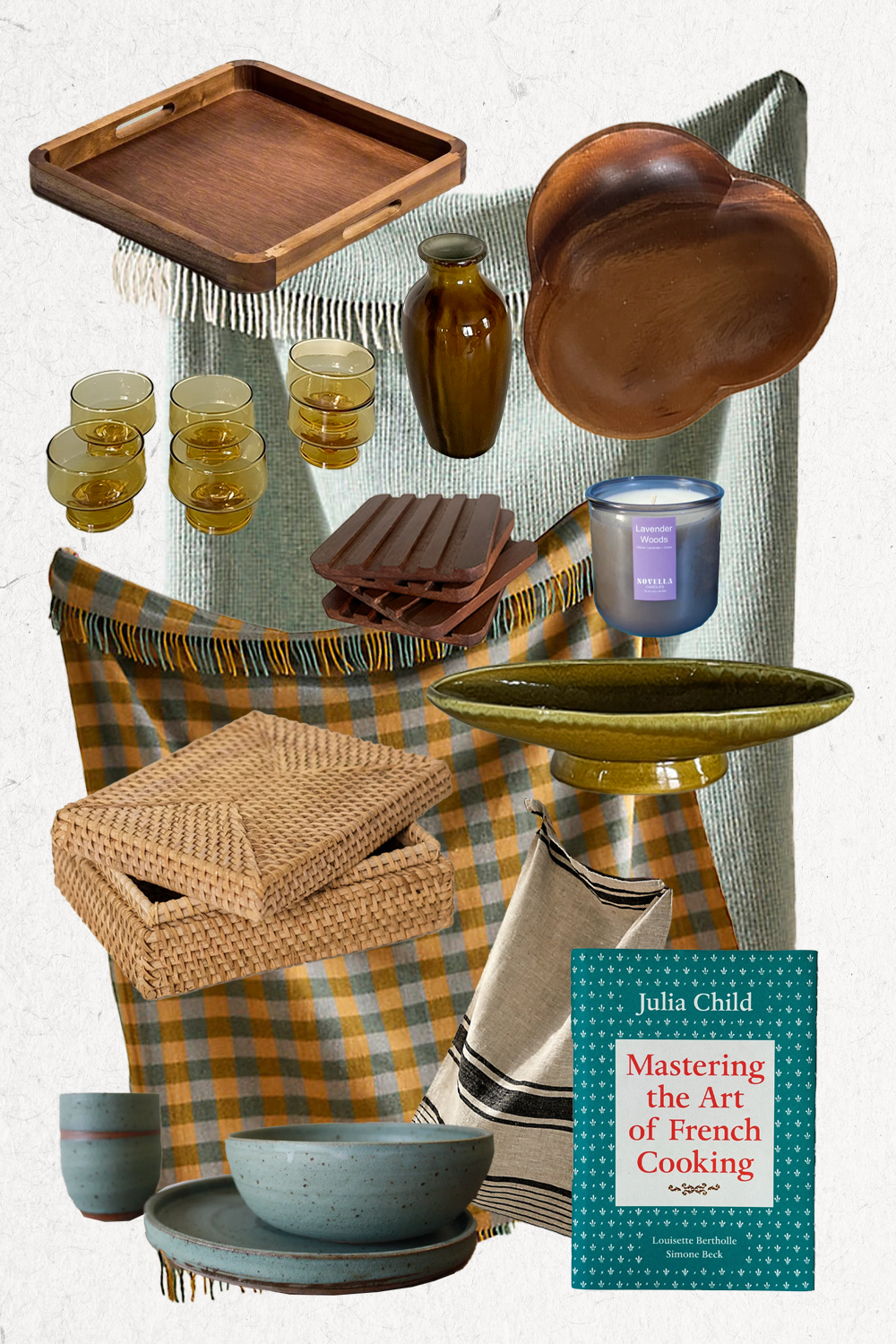
Give it texture. What makes the mismatched café feel good isn't the mismatch- it's the texture. Wood, linen, ceramic, something slightly worn. Materials that have a tactile quality change how a space feels to be in. A single vintage object with real presence- a ceramic vase, a woven textile, a piece of framed art- does more than a shelf of matching accessories.
Make it personal without making it precious. Third spaces work because they feel lived-in. Books you're actually reading. A plant you're actually keeping alive. Something from a trip you actually took. The goal isn't a curated vignette- it's a space that reflects real life without apologizing for it.
The Pieces That Do the Work
A few things tend to anchor a third space well- and vintage is particularly good at this, because older pieces carry a quality and character that's hard to replicate new.
What to look for:
A substantial chair or sofa with good bones- something that looks like it has a history
Warm lighting at table or floor height (not overhead)
A side table or surface at arm's reach (this detail matters more than most people think)
One or two textile layers- a throw, a cushion, something soft at arm's reach
Art or objects with a point of view- things that tell you something about who chose them
These are the building blocks. The rest is editing: taking out what doesn't serve the feeling, keeping what does.
What Placemaking Gets Right
The reason third space design theory resonates is because it centers experience over aesthetics. It asks not "does this look good?" but "does this feel good to be in?" Those are different questions with different answers.
A beautiful room that nobody actually uses is a missed opportunity. A slightly imperfect space that people return to, linger in, feel at ease in- that's good design. That's the goal.
Bringing placemaking principles home isn't about recreating a café or a community space. It's about designing around how you actually want to feel. Rested. Seen. Like the space was made with you in mind.
Because it should be.
Ready to Make Your Space Feel Like That?
If you're working with a room that isn't quite landing—good pieces, unclear why it isn't working—that's exactly what a styling consult is for. Book a home refresh session here.
Or if you're sourcing pieces to anchor your third space, browse the shop for vintage finds with the kind of presence that makes a room feel complete. Shop curated vintage objects here.
SAVE FOR LATER:

MORE ON INTERIOR DESIGN THEORY:

BROWSE OUR CURATED OBJECTS:
MORE DESIGN THEORY: